Advice
What years of building have taught us about timber, techniques and getting ready to build, explained clearly so you can decide with confidence.
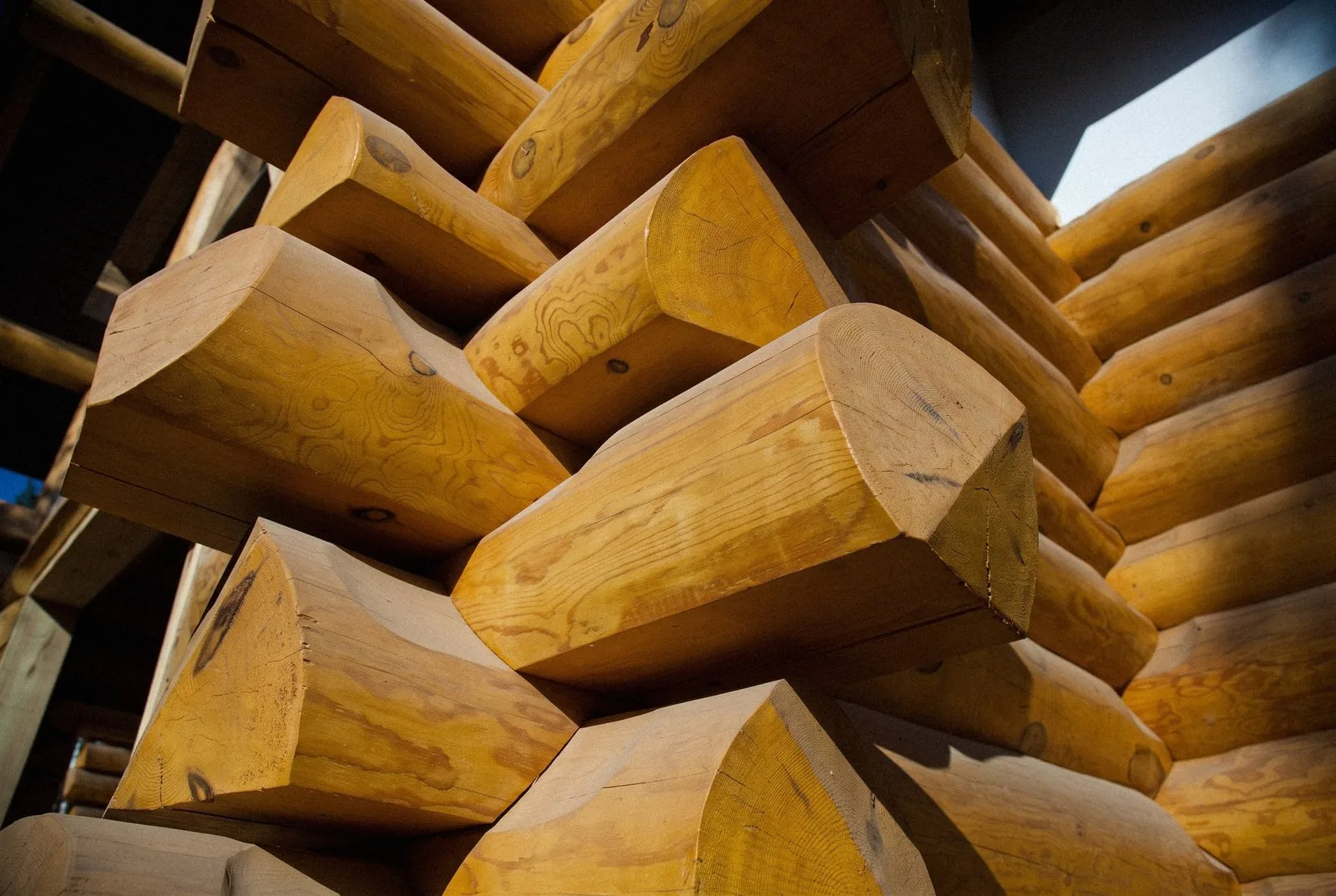
Before you start building
Pick a topic that interests you. Each one takes you on to the detail.
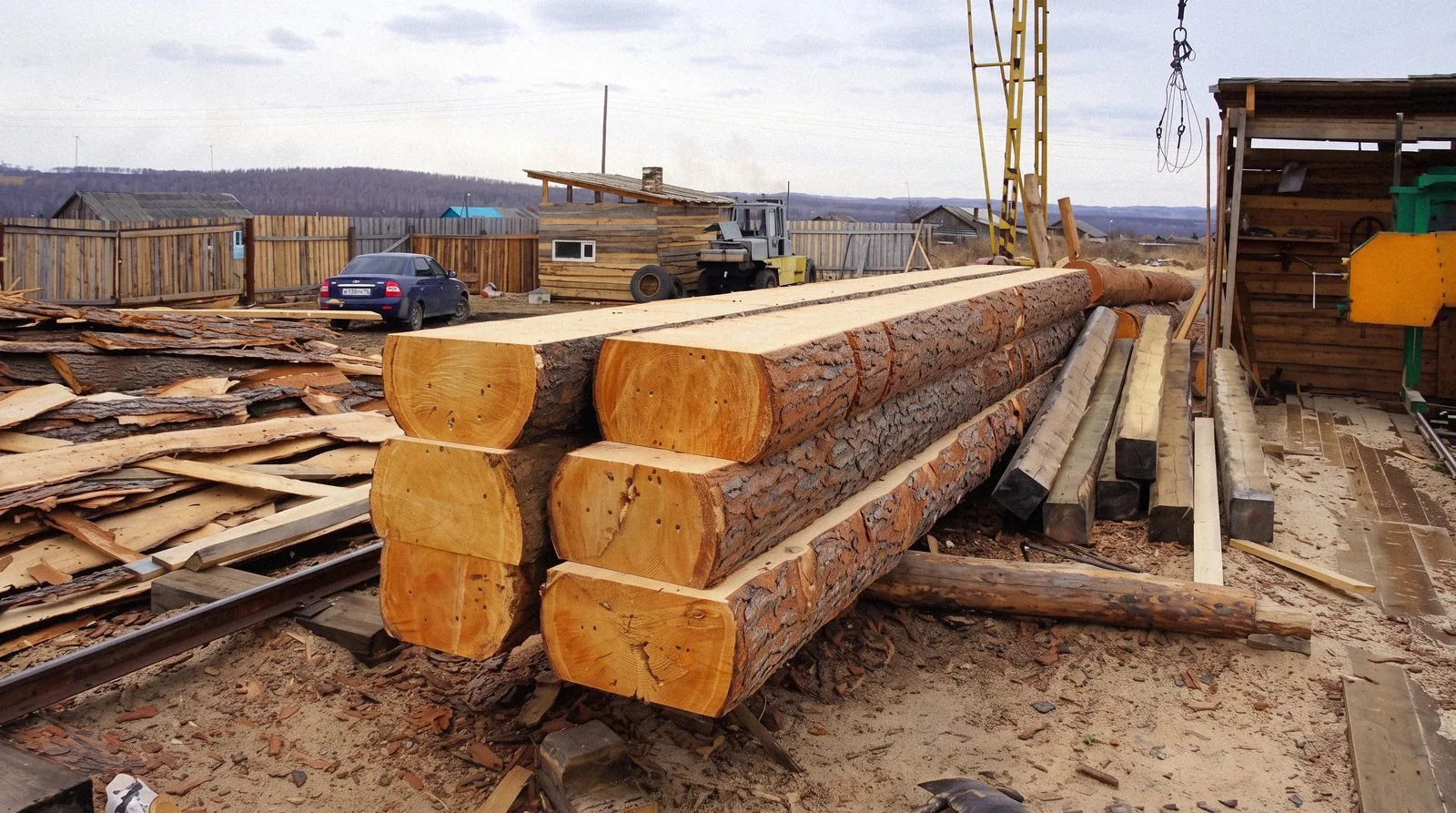
Why we build only with winter-felled timber
Timber felled in winter holds fewer nutrients and more natural antiseptics, so it resists rot better, cracks less and lasts longer. Here’s what the specialist literature and centuries of carpentry tradition have to say.
Read the article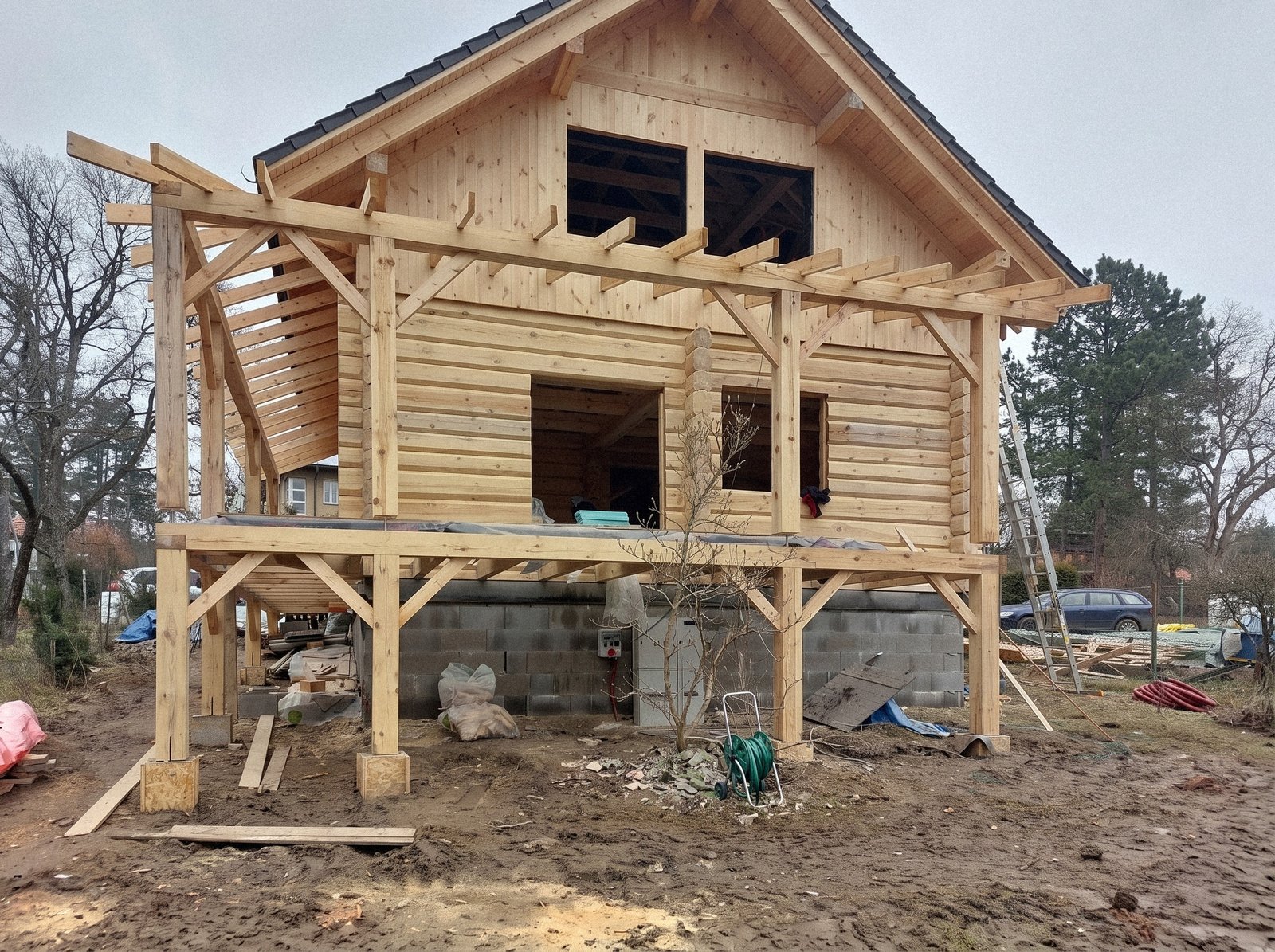
Norwegian, Canadian or hook-notch technique?
Round logs, flat two-sided logs or a mix of the two. How the techniques compare in looks, settling and the length of the settling period.
Techniques and materials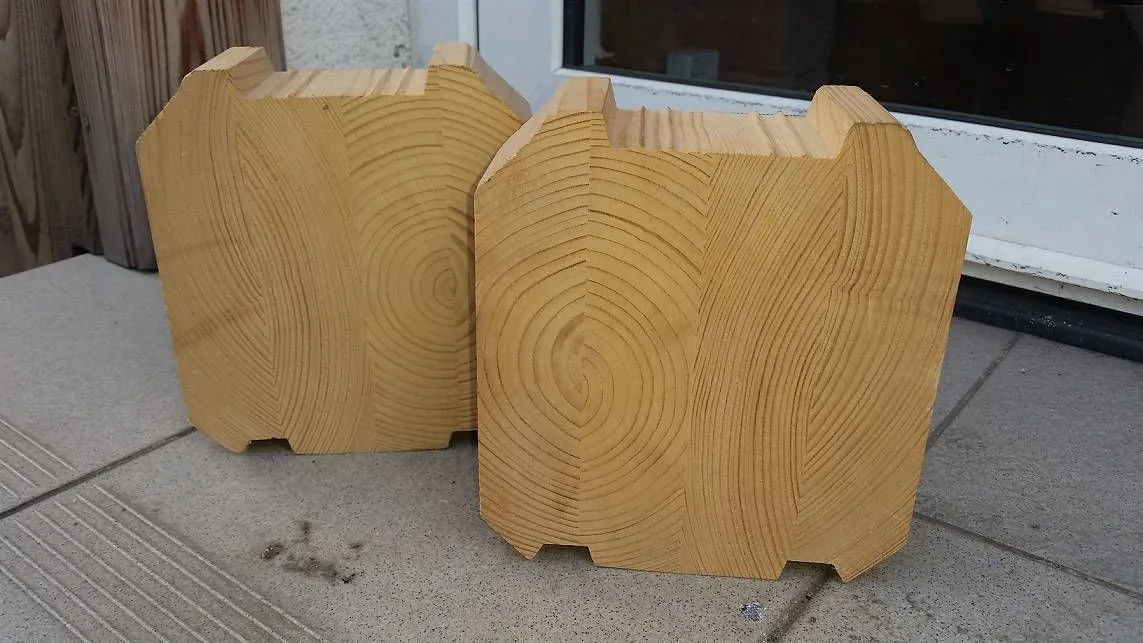
Glulam beams: a house without the long wait
Lamellas glued into a beam hardly settle, so there’s no long settling period. Four people can put up a 200 m² house in about 20 days.
Glulam house techniques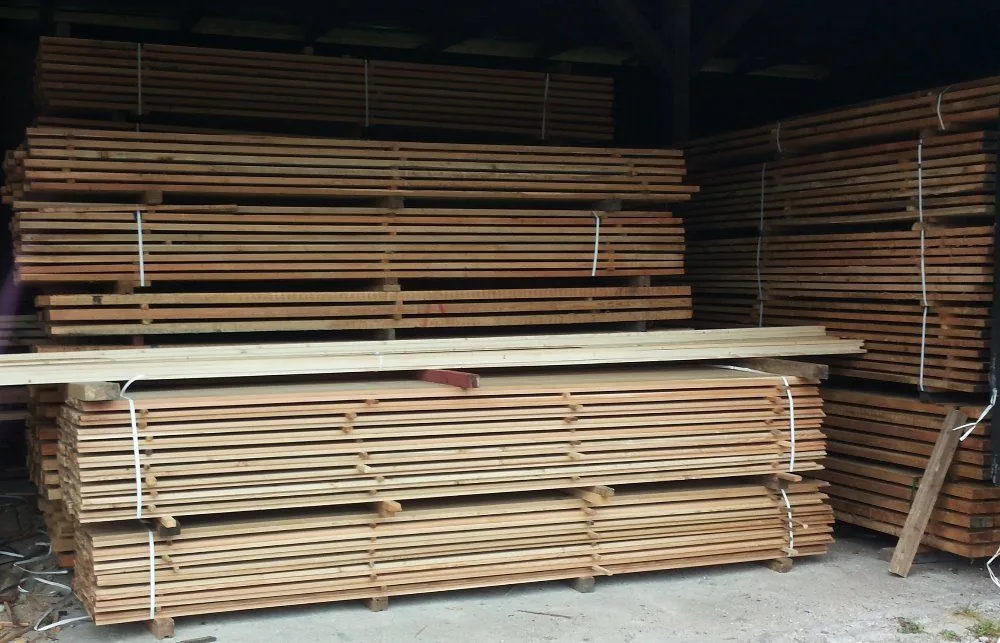
Siberian larch, Angara pine or cedar?
Three species from regions with long winters and tight growth rings. How they compare on durability, scent, insulation and cost.
Techniques and materials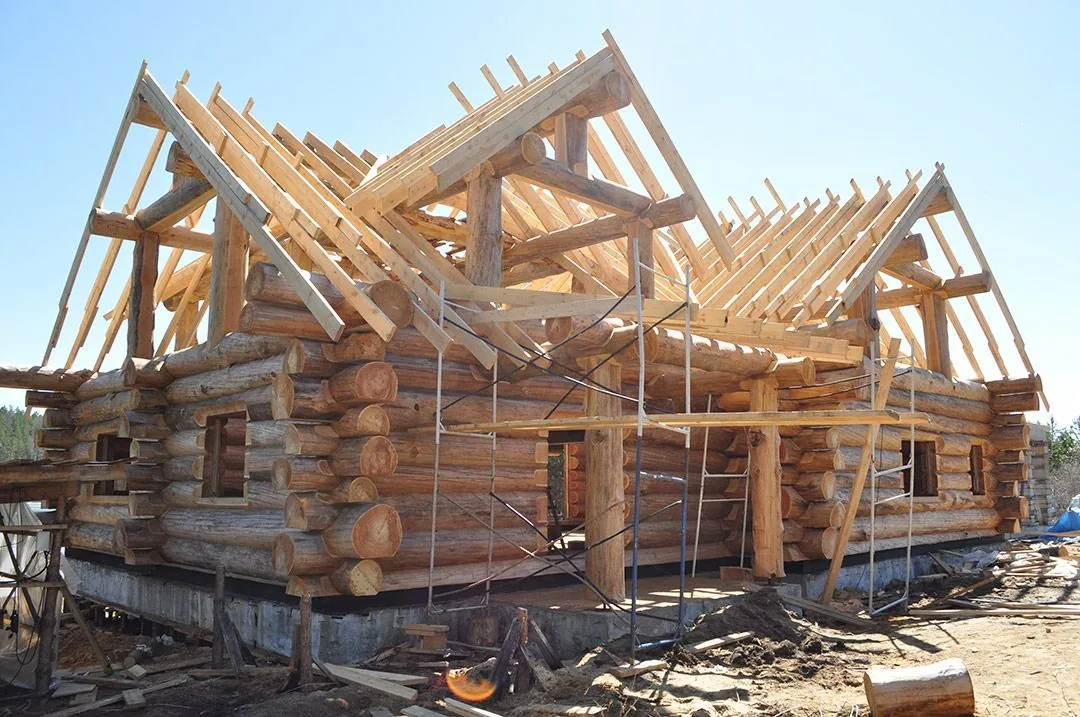
I want to build a log house. Where do I start?
Financing and the plot, concept and full design, building permit, production, assembly and occupancy approval. The four phases of a build and how long each one takes.
Building guide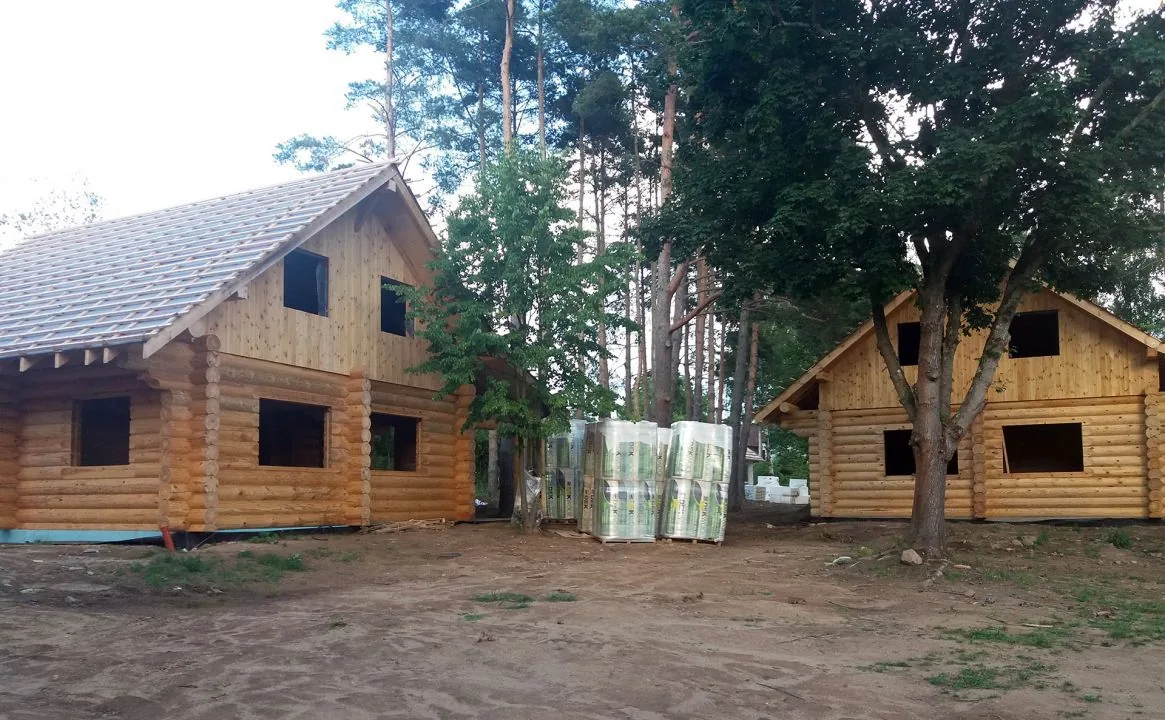
What determines the price of a log house
Usable floor area, building technique, how complex the structure is, and the difference between a shell construction and a turnkey house. Plus the fees worth adding on top.
Log house prices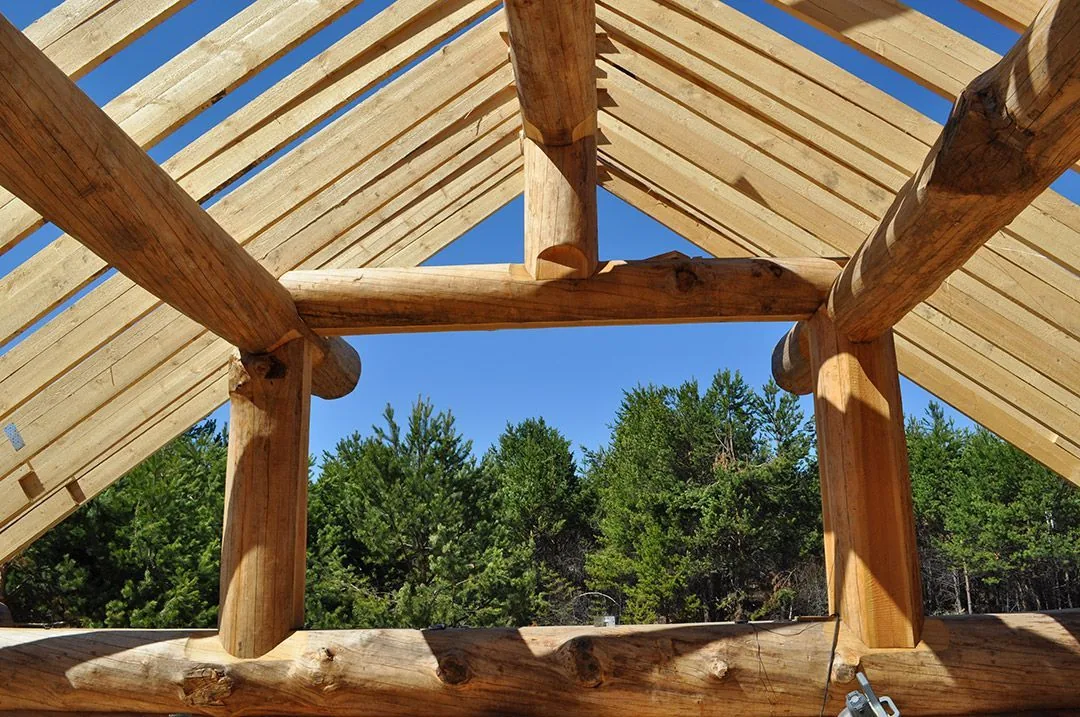
Sheep’s wool insulation: natural and dust-free
Isolena sheep’s wool can replace conventional insulation throughout the house. It’s dust-free and hypoallergenic, and helps even out indoor humidity.
Sheep’s wool insulation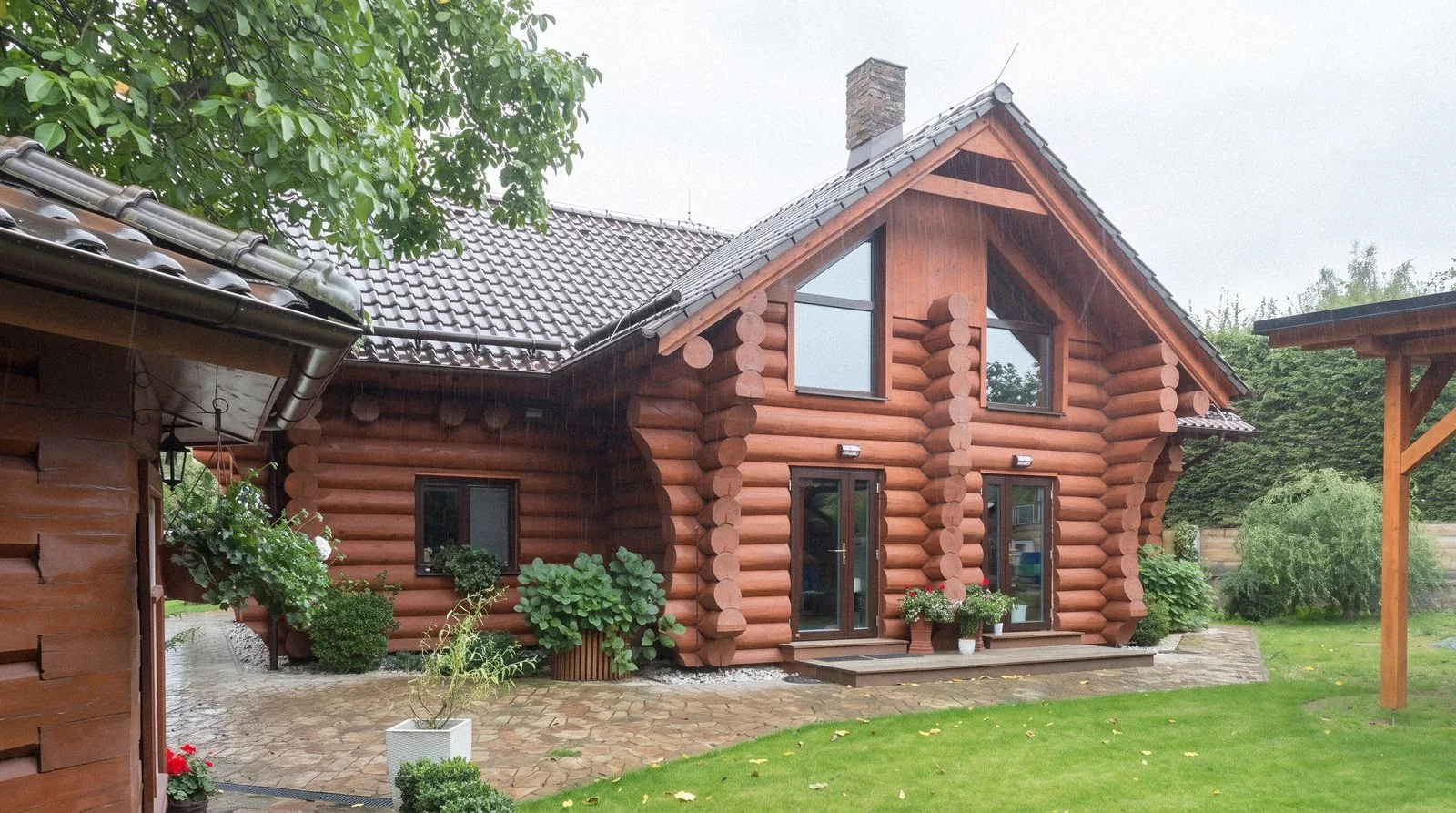
Oils and waxes: how we protect timber
Why the factory base coat lasts only two months, what we replace it with and how a pigmented glaze gives the timber its colour.
Timber protection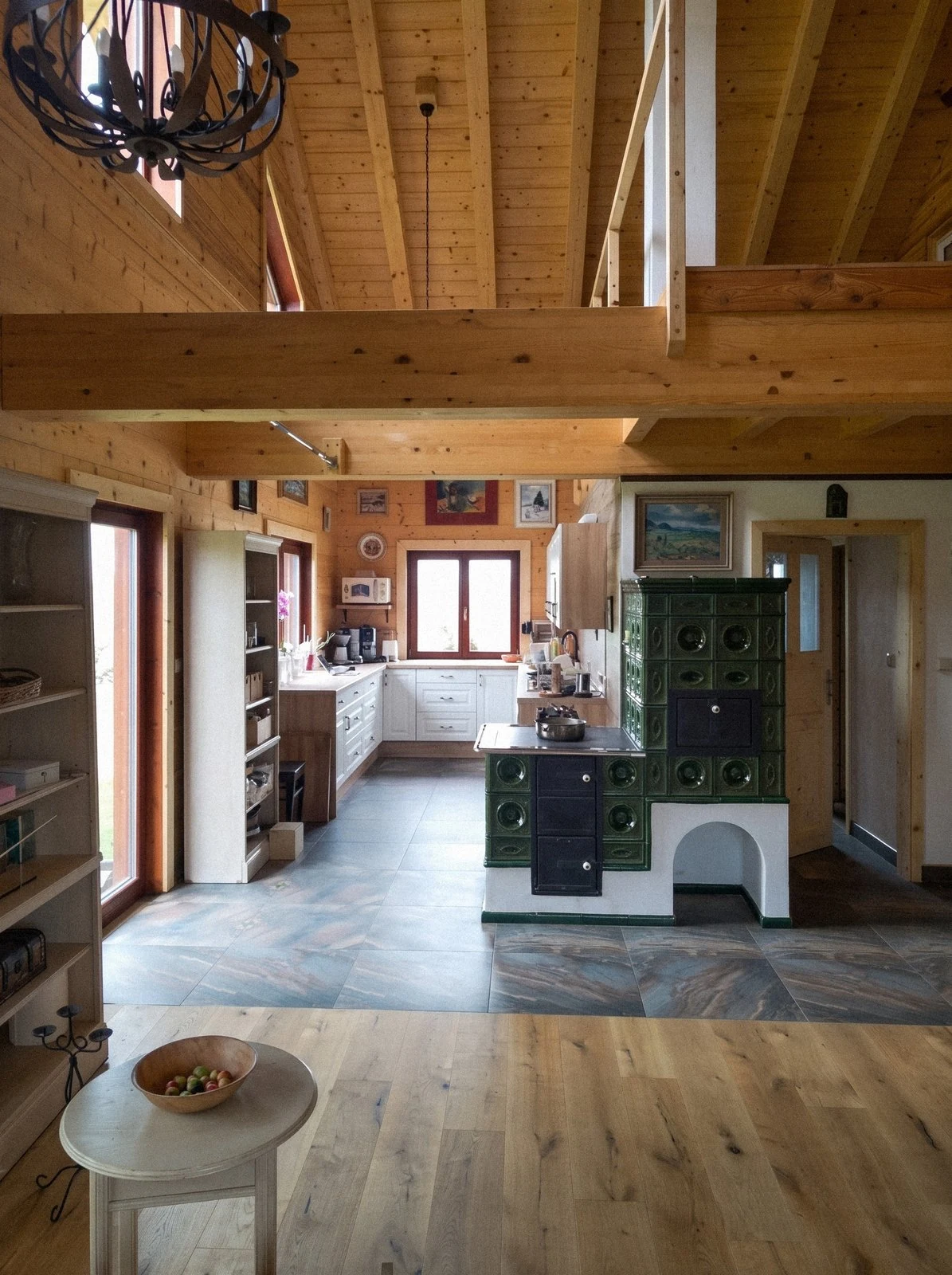
Why live in a log house
Timber regulates humidity, so the air indoors is pleasant even for people with sensitive airways. With the right construction and maintenance, a log house can last for hundreds of years.
Why a log house from MMGRNothing in this category yet. Try another topic.
Frequently asked questions
Answers to the questions people thinking about a log house ask us most often.
Call us on weekdays between 8 am and 5 pm.
+420 731 444 295The design documentation usually takes 2 to 3 months, and the building permit roughly another 2 to 3 months from when you apply. Making the log house takes 2 to 4 months and runs alongside the permit process. Assembly on site takes 1 to 3 weeks, followed by the settling period and turnkey finishing.
Solid timber dries out after assembly and the building settles. The settling period lasts 7 to 8 months with the Norwegian technique, 10 to 14 months with hook-notch and 12 to 18 months with the Canadian technique. Meanwhile the house is roofed and the surface is treated. Glulam beams hardly settle at all, so you can move in soon after completion.
By 30 to 50 mm with the Norwegian technique, 60 to 90 mm with hook-notch and 70 to 100 mm with the Canadian round-log technique. We allow for settling in the design and only fit the windows and doors after the settling period, once the openings have reached their final size.
Timber felled in winter contains fewer nutrients and more resin acids and essential oils, which act as a natural antiseptic. That makes it more resistant to rot, mould and insects, and less prone to cracking. We explain this in detail in the article Why we build only with winter-felled timber.
Winter-felled pine lasts the longest. Siberian larch is exceptionally resistant to rot and moisture, while Siberian cedar stands out for its thermal and acoustic insulation and its lovely scent. Whatever you choose, it should always be softwood felled in winter.
Natural oils and waxes that keep the look and texture of the timber and make it more weather-resistant. The factory base coat only protects the components in transit and wears off after about two months, so we replace it with longer-lasting protection. A pigmented glaze adds the colour.
Often, yes. A Norwegian-technique log house has straight walls of two-sided logs, worked flat on both faces, and sits in the landscape much like a conventional building. Where that isn’t enough, we offer a glulam house built from squared beams.
Yes. With your power of attorney, we’ll obtain the building permit and, once the house is finished, the approval to occupy it, so you can move in as soon as possible.
Yes, it’s a tradition in the Nordic countries. A green roof improves thermal insulation, absorbs noise, extends the life of the waterproofing and holds back rainwater. An extensive roof 80 to 150 mm deep loads the structure with 80 to 170 kg/m², and an intensive roof you can walk on with 300 kg/m² or more. Green roofs are laid at pitches of 5 to 45 degrees.
Let’s build
yours next
We’ll get back to you within 48 hours.