Learn to build
a log house with your own hands
A month-long course in traditional log house building, ending with an exam and an international certificate. Theory in the morning, then hands-on work on a real build for the rest of the day.
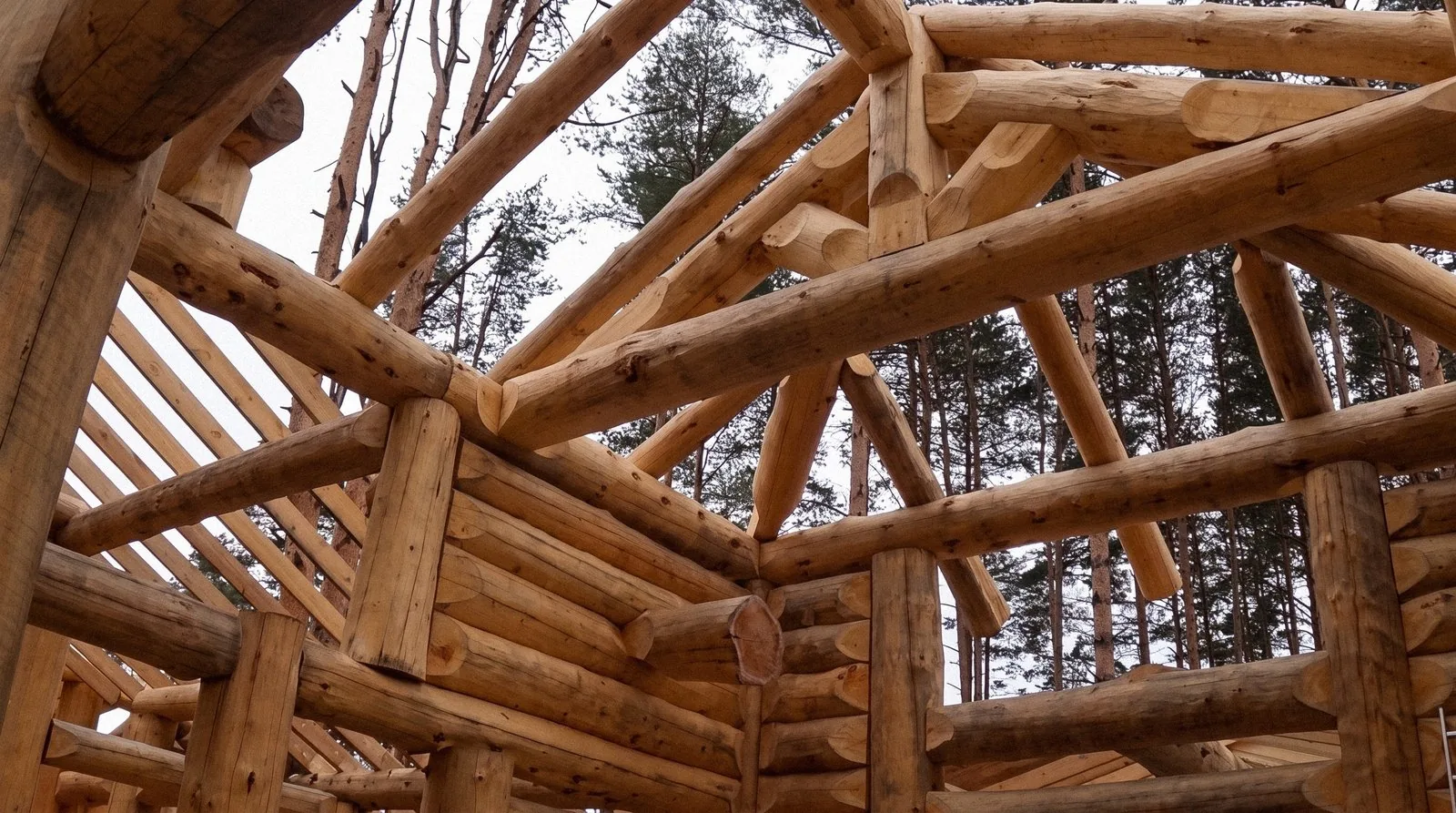
A craft handed down the generations
For a long time, traditional log building was only passed on within families or from master to apprentice, and few people have mastered it today. The Carpentry School helps keep this art alive and take it further. We teach classic carpentry, the special methods used in log building and how to work with solid timber.
The course is for anyone with a feel for timber who wants to learn how to build a log house. It’s grounded in traditional techniques, backed up by modern tools, and our carpenters use exactly the same methods on site every day.
What you’ll get from the course
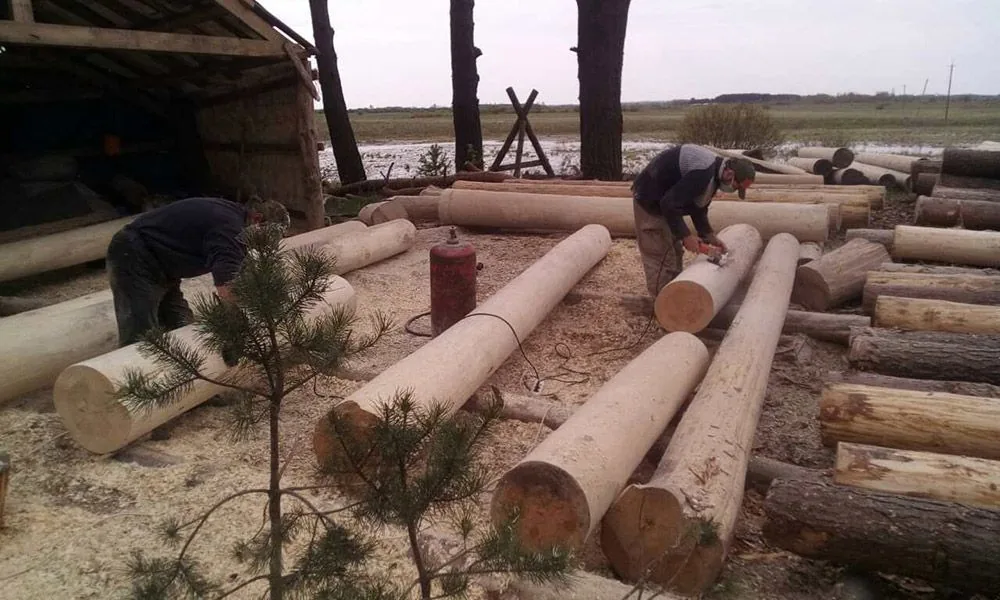
You’ll follow a log house from start to finish: from choosing the right tree and working the timber to the finished building. You’ll learn to handle traditional carpentry tools and meet people who have devoted their whole lives to the craft.
Build your own log house
By the end of the course you’ll have the knowledge and skills to build a log house with your own hands.
Work in the trade
An international certificate lets you apply for jobs in carpentry.
Your own business
If you want to start your own log-building business, we’ll help you get going and advise you on the first hurdles.
A place in our team
The best graduates may be offered a job in our construction team, depending on vacancies at the time.
Course syllabus
The theory and practice of building log houses with traditional techniques, especially the Russian technique and the post and beam system. You’ll also get to know the Norwegian and Canadian techniques and what sets them apart.
- History of log buildings
- Log building techniques
- Properties of materials
- Tools for log building
- Developing the design
- Preparing the build
- Traditional Norwegian roofs
- Cold and warm roofs
- Timber protection
- Renovating timber houses
- Marking up and transporting log houses
- Logistics and assembly to the design
The course week by week
Teaching happens in the classroom, out in the field and above all on the build of a training log house, with each week adding the next stage of construction.
Foundations and the first log courses
Week 1Health and safety at work, laying out the house, types of timber and their defects, and choosing trees. Hewing with an axe, scribing with a log scriber and cutting log corners Russian-style.
Joints, insulation and openings
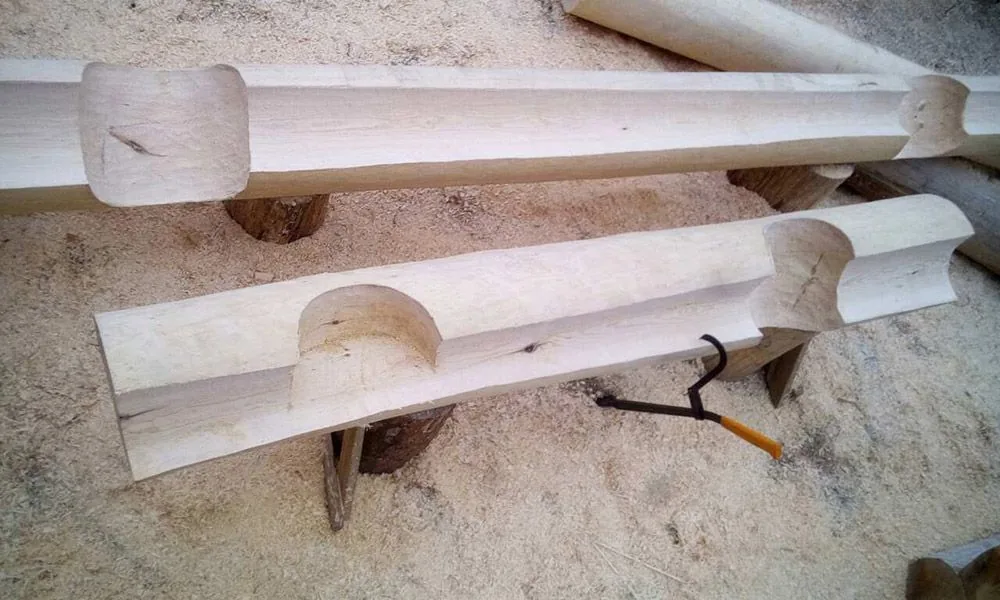
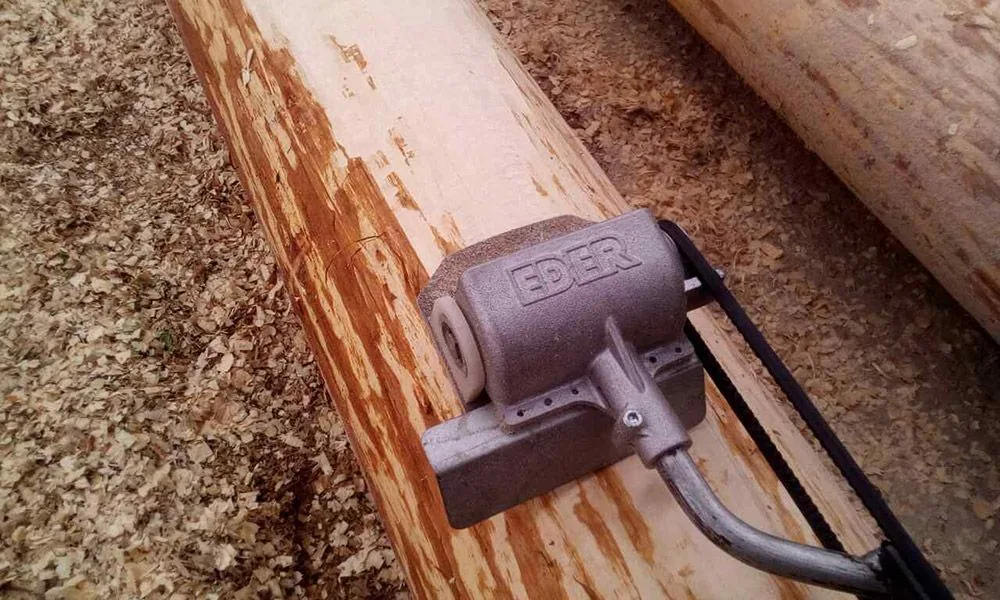
Week 2Cutting grooves and corner joints with a router, pegging the log courses, insulation between log courses, door and window openings, protective coatings and timber floors.
Roof, windows and stairs
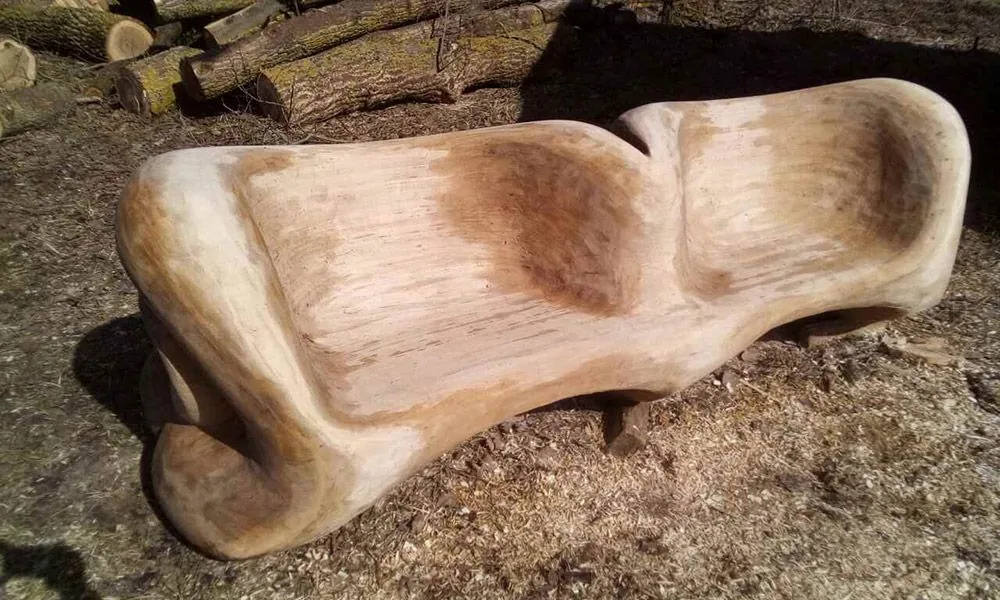
Week 3Laying the beams, the mansard floor and its insulation, rafter systems and battening, fitting the windows and stairs, and making a garden bench.
Details and certificate
Week 4Chainsaw work and complex corner joints, terraces and small structures, figurative carving, services in a timber house and preserving the log house.
Each stage ends with a seminar, review questions and a pass/fail assessment. On the last day we go over the results and hand out the certificates. If you don’t pass the written exam, you’ll receive a certificate of course completion.
From the course
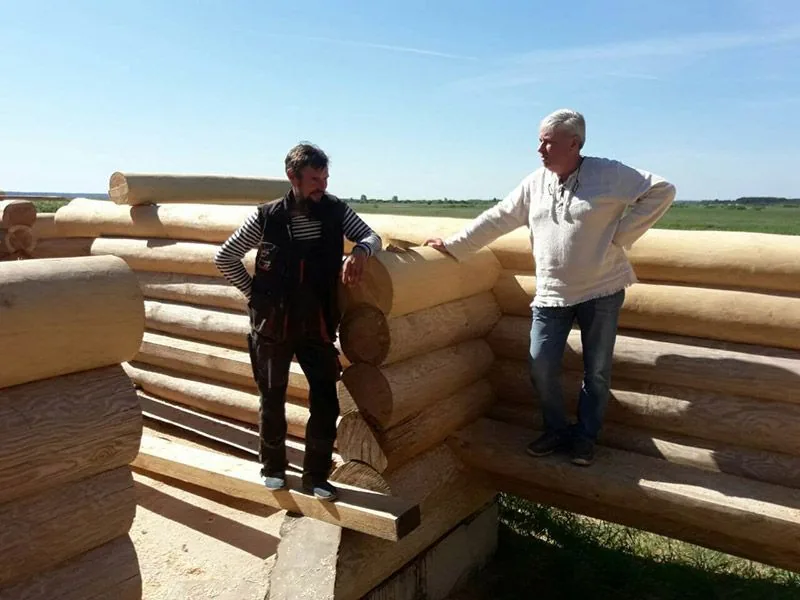
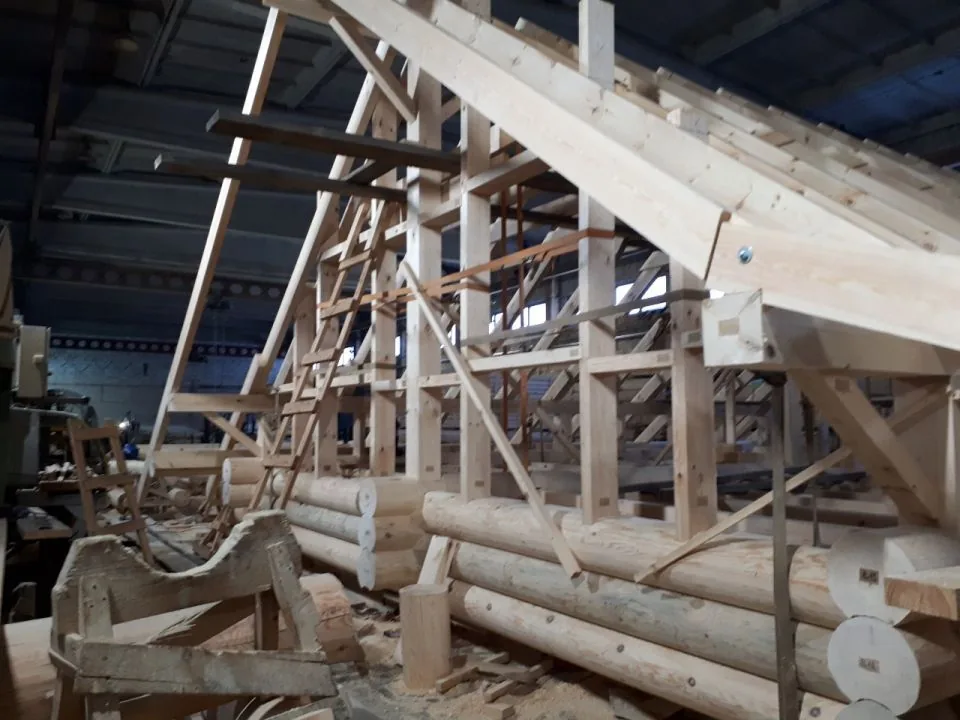
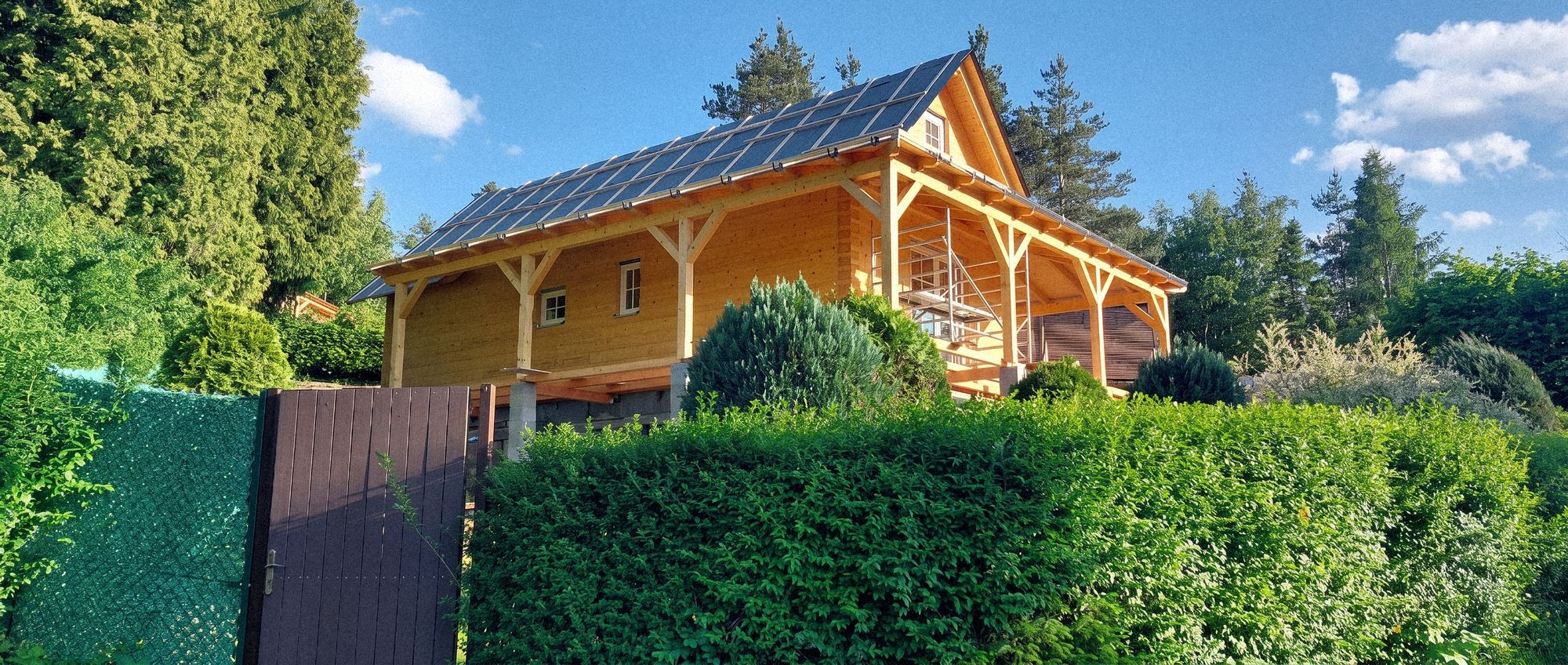
A training log house, carpentry joints and figurative chainsaw carving: this is the kind of work students do during the course.
Practical information
The course is demanding but friendly, and people come from all over the world to take it.
Tools and equipment
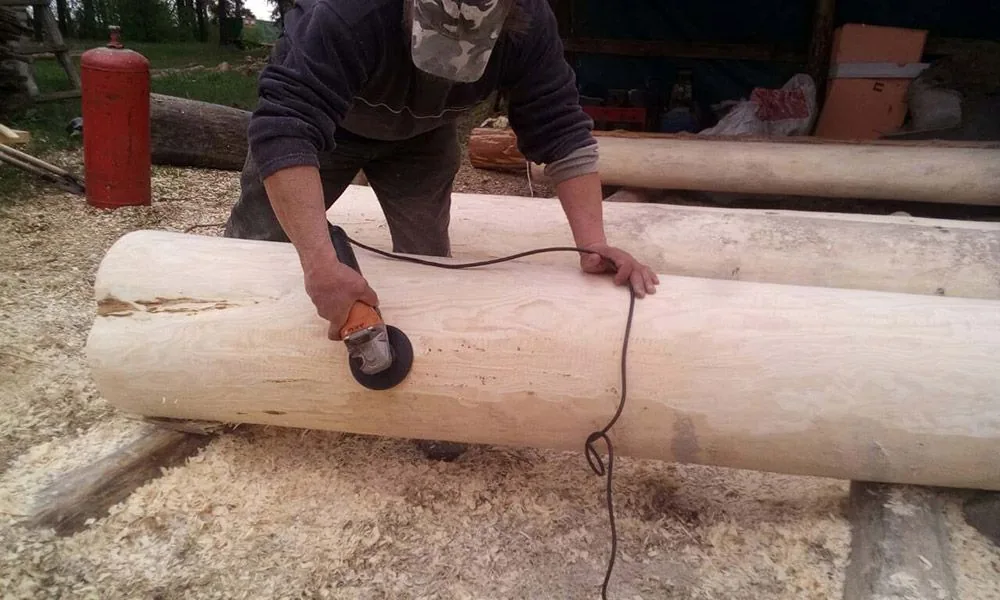
All the machines and tools you need are provided at the school. Just bring protective clothing, work boots, safety glasses and ear defenders.
Language of instruction
The course is taught in Russian, English or German. If you don’t speak any of these, we’ll arrange an interpreter.
The course is open to women too
The pace is the same for everyone and very demanding, but we don’t want to put anyone off. Women have separate accommodation.
Free time
Weekends are free, so you can head off on a trip, go fishing or unwind in the sauna.
Bringing someone along
You’re welcome to bring someone with you. We recommend a nearby guesthouse for their accommodation and meals.
Boatbuilding
Since May 2014 we’ve also run a course in building wooden dinghies and boats by hand using traditional techniques. It’s suited to people who already have a grounding in carpentry.
A taste of the teaching: why we fell timber in winter
The most important property of building timber is its natural resistance to rot. That decides how long a log house will last and what the indoor climate will be like.
Softwood felled in winter contains fewer of the nutrients that wood-decay fungi and bacteria feed on, and more of the resin acids and essential oils that act as a natural antiseptic. Summer-felled timber also develops blue stain quickly and is more easily attacked by insects.
That’s why building timber is traditionally felled between December and January, the bark is stripped by early March at the latest, and then the logs are left to dry. The specialist literature describes an experiment in which pine felled in December stayed sound in damp soil twice as long as pine felled in February.
Winter-felled pine is the best choice for a log house. If you can’t get it, choose another softwood such as spruce, fir, cedar or larch, but always one felled in winter.
Who is behind the school
The Carpentry School was founded in November 2018 to carry on passing the traditional art of log building down to future generations.
He leads the teaching of traditional log-building techniques and makes sure experience is handed on the way it has been in the craft for centuries.
He oversees the school and will gladly tell you more about the course, the dates and how to apply.
Course dates
We run courses according to demand, for 8 to 10 students at a time. Please apply at least a month before the start.
Let’s build
yours next
We’ll get back to you within 48 hours.